


How to Build a Brand: A Step-by-Step Guide for Business Success

Building a successful business isn't just about offering quality products or services—it's about creating a brand that people recognize, trust, and remember. In today's competitive market, customers have countless options, making it essential for businesses to stand out with a strong and consistent brand identity.

A brand is much more than a logo or a catchy slogan. It represents your company's values, personality, reputation, and the overall experience customers have with your business. Whether you're launching a startup or growing an established company, investing in branding can help attract customers, build loyalty, and support long-term growth.
What Is a Brand?
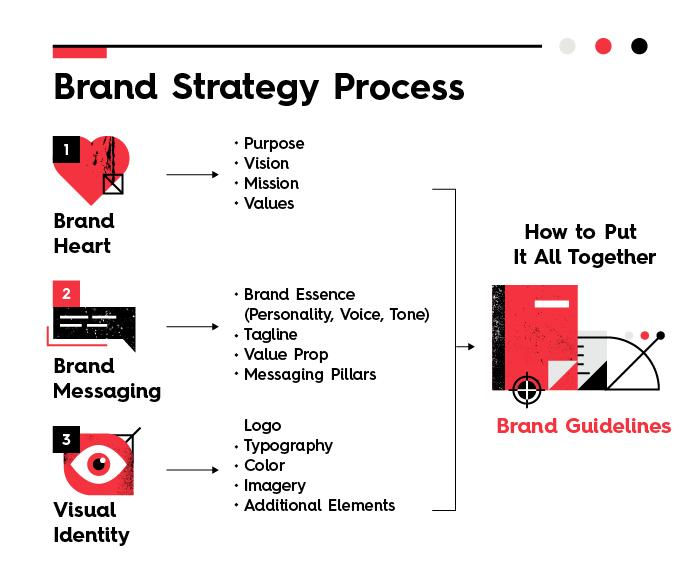
A brand is the identity of your business. It includes everything customers associate with your company, including your logo, colors, typography, messaging, website, packaging, customer service, social media presence, and overall reputation.
A strong brand creates trust, builds recognition, and helps customers remember your business when they need your products or services.
Define Your Brand Purpose
Every successful brand begins with a clear purpose. Ask yourself why your business exists and what value it brings to customers.
Your mission, vision, and core values should guide every branding and marketing decision. Businesses with a clear purpose build stronger emotional connections with customers and stand out in competitive markets.
Understand Your Target Audience

Building a brand starts with understanding who you're trying to reach. Identify your ideal customers by considering factors such as age, interests, lifestyle, challenges, and buying behavior.
Knowing your audience helps you create messaging, visuals, and marketing campaigns that resonate with their needs and expectations.
Create a Memorable Visual Identity

Your visual identity is often the first thing people notice about your business. A professional logo, carefully selected brand colors, typography, and design style help create a strong first impression.
Consistency is equally important. Your branding should look the same across your website, social media, brochures, business cards, packaging, and advertisements to strengthen recognition and credibility.
Develop a Unique Brand Voice
Your brand voice reflects how your business communicates with customers. Whether your tone is professional, friendly, innovative, or conversational, it should remain consistent across every platform.
Clear and authentic communication helps customers understand your brand personality and builds stronger relationships over time.
Build a Strong Online Presence

Modern customers often discover businesses online before making a purchase. A professional website, active social media profiles, informative blog content, and optimized Google Business Profile all contribute to a strong digital presence.
Publishing valuable content not only builds trust but also improves your search engine rankings, making it easier for potential customers to find your business.
Deliver Consistent Customer Experiences
A brand is shaped by every interaction customers have with your business. Providing excellent customer service, responding promptly to inquiries, maintaining product quality, and delivering on your promises all contribute to a positive brand reputation.
Satisfied customers are more likely to become repeat buyers, leave positive reviews, and recommend your business to others.
Invest in Professional Marketing Materials
Every customer touchpoint should reflect your brand identity. Professionally designed brochures, packaging, business stationery, social media creatives, presentations, and promotional materials reinforce your image and help your business appear more credible.
Combining print and digital branding creates a seamless experience that strengthens customer confidence.
Evolve as Your Business Grows
Brands should grow alongside the businesses they represent. As your company expands, review your branding regularly to ensure it continues to reflect your goals, audience, and market position.
Refreshing your website, updating marketing materials, and adapting to changing customer expectations help keep your brand relevant without losing its core identity.
Conclusion
Building a strong brand is a long-term investment that delivers lasting value. By defining your purpose, understanding your audience, creating a professional visual identity, maintaining consistent communication, and delivering exceptional customer experiences, you can establish a brand that customers trust and remember.
A successful brand not only attracts new customers but also builds loyalty, increases credibility, and supports sustainable business growth.

At Orange Circle, we help businesses build memorable brands through strategic logo design, brand identity development, website design, brochure design, packaging design, social media marketing, digital marketing, product photography, video editing, and premium printing solutions. Whether you're starting a new business or strengthening an existing one, our team creates branding solutions that help your business stand out in today's competitive market.
Ready to build a brand that makes a lasting impression? Visit www.theorangecircle.in and let Orange Circle help turn your business into a trusted and recognizable brand.


Comments