


Logo Is Not a Brand: Understanding the Bigger Picture

Updated: Mar 14
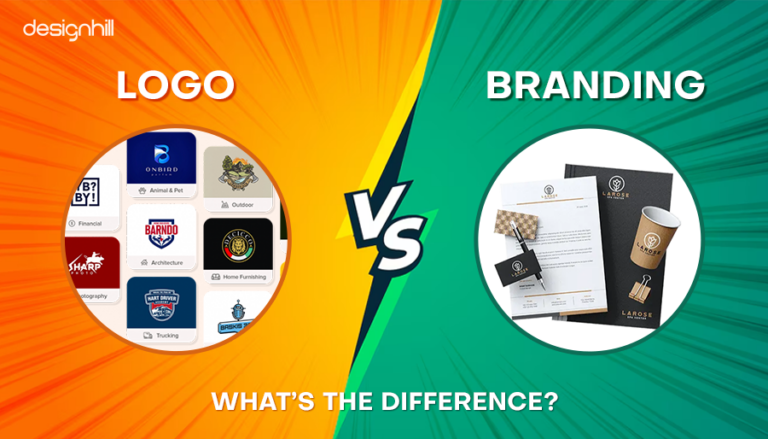
Many businesses believe that once they have a logo, their branding work is done. The logo gets printed on visiting cards, uploaded to social media, and placed on the website—and branding is considered “complete.” In reality, this is only the beginning. A logo is an important part of branding, but it is not the brand itself. Understanding the difference between logo and brand is essential for businesses that want to grow with clarity and credibility.
The Common Misunderstanding: Logo vs Brand

A logo is a visual symbol—a mark that helps people recognize a business. Branding, however, is the experience people associate with that symbol. This distinction between logo vs brand identity is often overlooked.
While a logo answers the question “Who are you?”, branding answers “What do you stand for, and how do people feel about you?” A brand lives in perception, not just in design files.
What Branding Really Means in Business
To understand what is branding in business, think beyond visuals. Branding is the combination of strategy, communication, values, personality, and consistency. It shapes how customers perceive a business at every touchpoint—before, during, and after interaction.
Branding influences trust, recognition, and decision-making. It’s not created overnight and cannot be reduced to a single design element.
The Building Blocks of Brand Identity
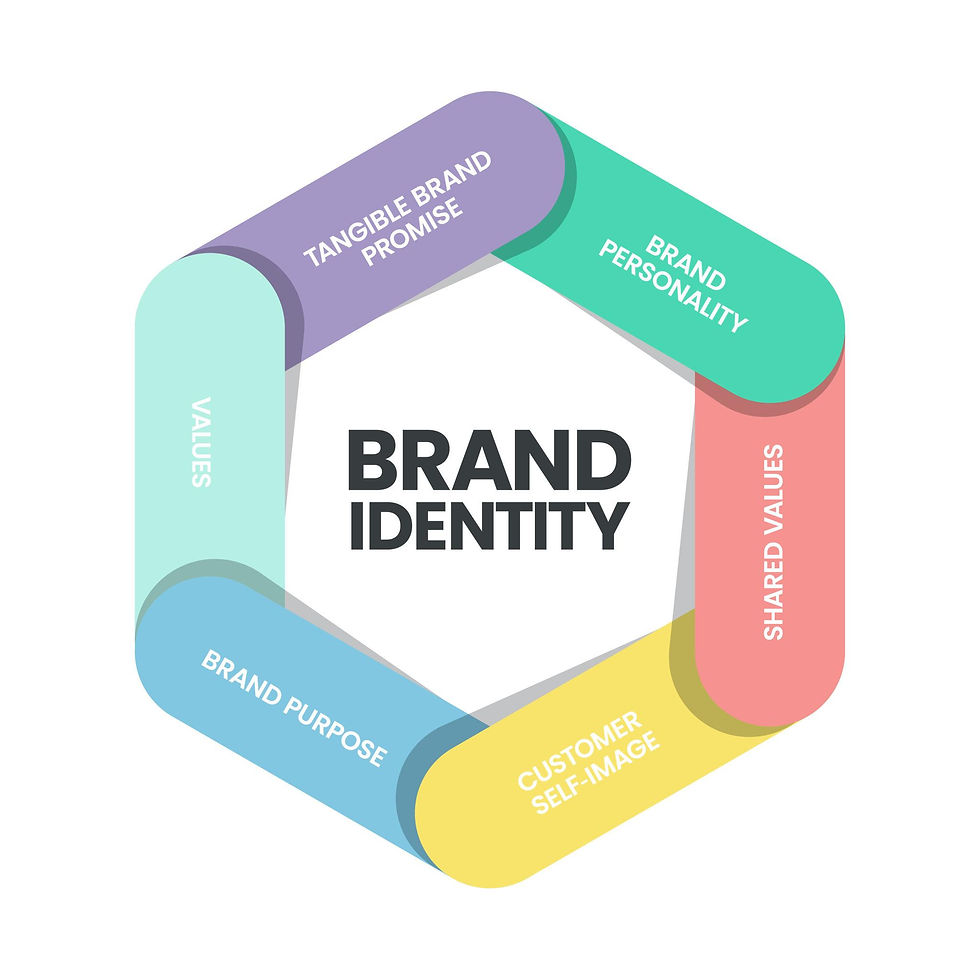
A logo is only one piece of a much larger system. Strong brands are built using multiple brand identity elements, including:
Brand purpose and values
Brand voice and tone
Color palette and typography
Messaging and storytelling
Customer experience and consistency
When these elements work together, they create a unified and memorable brand identity that goes far beyond a logo.
Why a Logo Alone Is Not Enough

A logo without strategy is like a signboard without direction. It may attract attention, but it doesn’t communicate meaning. Businesses that rely only on a logo often struggle with unclear messaging, inconsistent visuals, and weak emotional connection.
A well-defined brand strategy for businesses ensures that the logo becomes a symbol of something meaningful—trust, quality, innovation, or reliability—rather than just a design.
Brand Strategy Gives the Logo Its Power

A brand strategy defines how a business wants to be perceived and why it exists. It guides every branding decision—from visuals to communication. When strategy leads design, the logo becomes a powerful representation of the brand’s promise.
This strategic approach is what separates businesses that look professional from brands that are remembered and trusted.
Seeing the Bigger Picture
Customers don’t connect emotionally with logos—they connect with experiences. They remember how a brand makes them feel, how it communicates, and whether it stays consistent. The logo acts as a trigger for those memories, but the brand is the story behind it.
Understanding the difference between logo and brand allows businesses to invest wisely—not just in design, but in long-term brand value.
Conclusion: A Logo Is the Face, Not the Brand

A logo is an important starting point, but it is only one element of a much larger branding ecosystem. True branding is built through strategy, consistency, communication, and experience. Businesses that move beyond the logo and focus on complete brand identity are better positioned to earn trust and loyalty.
Orange Circle Branding and Marketing Agency Rajkot helps businesses see the bigger picture of branding. By combining strategic thinking with creative execution, Orange Circle builds strong brand identities where logos are supported by purpose, clarity, and consistency.
For businesses ready to move beyond design and build brands that truly connect, Orange Circle transforms logos into meaningful brand experiences.


Comments